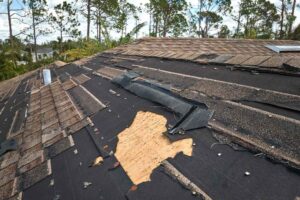
When strong winds sweep through Grand Rapids, they don’t just rattle windows or knock over patio furniture; they can quietly compromise one of the most important parts of your home or building: your roof. Wind uplift damage is one of the leading causes of roofing issues across West Michigan, especially during severe storms that bring powerful gusts and rapid pressure changes. And the tricky part? A lot of this damage isn’t always obvious right away.
At Big Rapids Roofing, we’ve seen firsthand how wind can impact roofing systems of all types. Understanding how wind uplift works, and what you can do about it, can help you catch problems early, avoid bigger repairs, and keep your property protected year-round.
What Is Wind Uplift and Why Does It Matter?
Wind uplift happens when strong winds create pressure differences between the top of your roof and the air inside your attic or building. As wind moves across your roof, it creates a lifting force, almost like an airplane wing generating lift. When that pressure becomes strong enough, it can loosen or completely tear away roofing materials.
In Grand Rapids, where seasonal storms, straight-line winds, and sudden weather shifts are common, this kind of damage is something property owners can’t afford to ignore. Even moderate wind events can begin to weaken your roof over time, especially if materials are aging or were not installed with proper fastening techniques.
How Wind Uplift Affects Different Roofing Systems
Not all roofs respond to wind the same way, but every roofing system has vulnerable points.
Asphalt Shingles
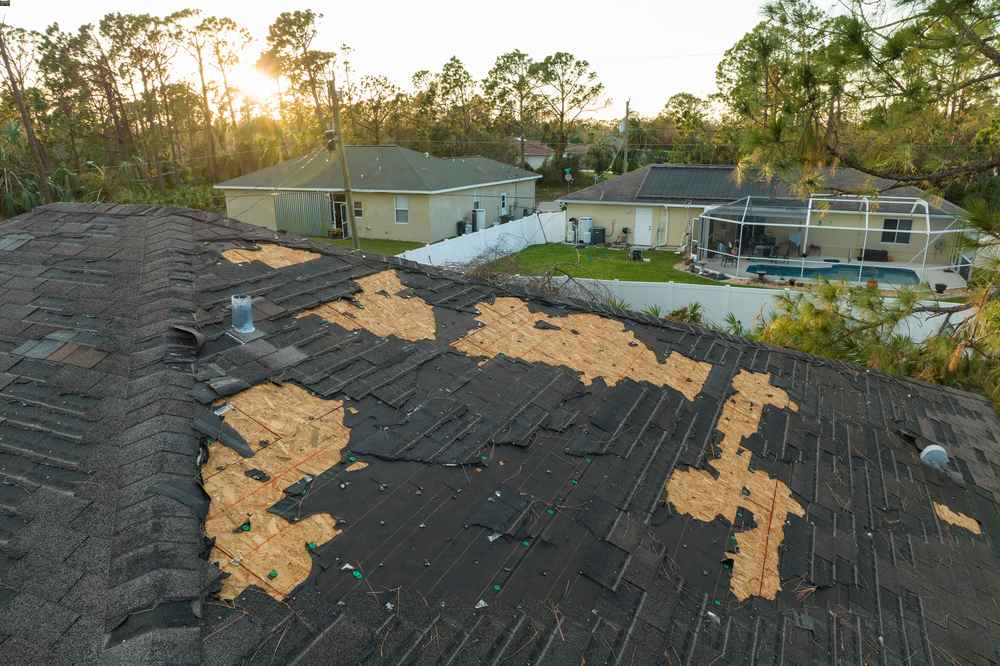
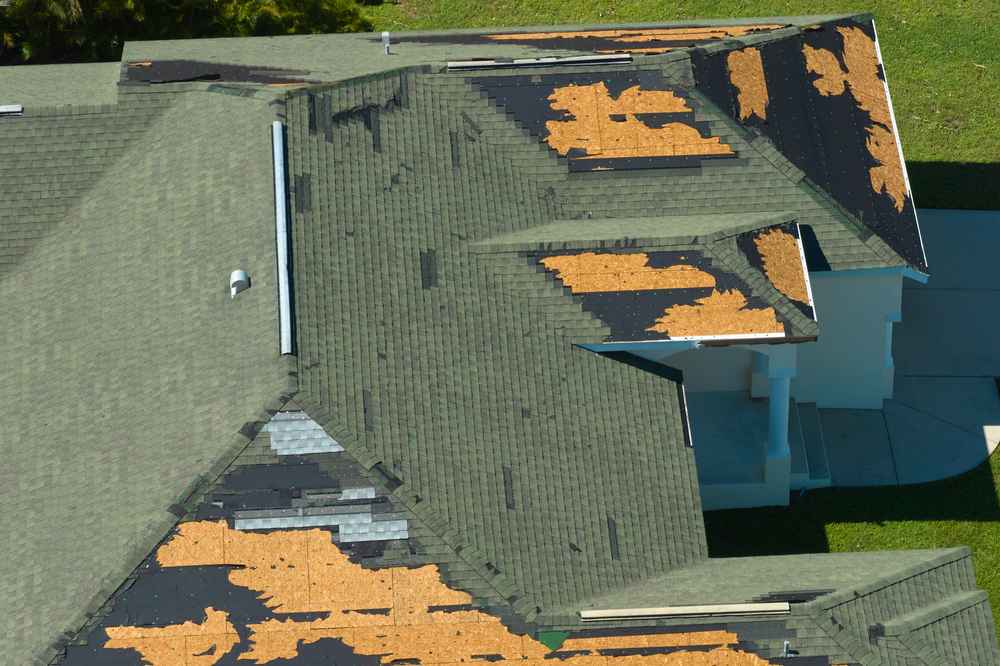
As one of the most common residential roofing materials, asphalt shingles, whether three-tab, architectural, premium, or impact-resistant, are designed to withstand a certain level of wind. However, strong gusts can lift the edges of shingles, breaking the seal that keeps them in place. Once that seal is compromised, shingles can curl, crack, or blow off entirely, leaving your roof exposed.
Metal Roofing Systems
Metal roofs, including standing seam, corrugated panels, exposed fastener systems, and metal shingles, are known for durability, but they’re not immune to wind uplift. Improperly secured panels or aging fasteners can allow sections of the roof to loosen under pressure. Over time, this can lead to leaks or structural damage if not addressed.
Synthetic Slate Roofing
Synthetic slate offers a beautiful, durable alternative to natural slate, but like any material, it relies on proper installation. High winds can dislodge individual tiles or damage fastening points, especially along roof edges or ridgelines where wind pressure is strongest.
The Most Vulnerable Areas of Your Roof
Wind uplift doesn’t hit every part of your roof equally. Certain areas tend to take the brunt of the force:
- Roof edges and corners, where wind pressure is highest
- Ridge lines, which are more exposed to direct airflow
- Flashing and seams, where materials meet and can be pried apart
- Older or previously repaired sections, which may already be weakened
If you’ve experienced a recent storm in the Grand Rapids area, these are the first places a professional should check.
Signs of Wind Damage You Shouldn’t Ignore
One of the biggest challenges with wind damage roofing issues is that they aren’t always dramatic. Sometimes, the signs are subtle but still serious:
- Missing or lifted shingles
- Granule loss on asphalt shingles
- Loose or lifted metal panels
- Water stains on ceilings or in the attic
- Debris buildup or damaged gutters after a storm
Even minor issues can lead to leaks, insulation problems, or more extensive structural concerns if left unaddressed.
What You Can Do After a Severe Storm
If your property has been through a major wind event, taking quick action can make a big difference.
Start with checking from the ground, look for obvious signs like missing materials or debris. But keep in mind that climbing onto your roof can be dangerous, especially after a big storm.
That’s where a professional team comes in. At Big Rapids Roofing, we offer free estimates and thorough evaluations to help you understand exactly what’s going on with your roof. If damage is found, we provide clear recommendations and practical solutions tailored to your specific roofing system, whether that’s asphalt, metal, or synthetic slate.
How We Help Protect Grand Rapids Homes and Businesses
Wind damage doesn’t just affect residential properties; it can impact commercial buildings too. From multifamily housing and retail spaces to warehouses and churches, every structure needs a roofing system built to withstand Michigan’s unpredictable weather.
Our roofing crew handles everything from roof repairs and emergency tarping to full replacements and new installations. For commercial properties, we work with systems like TPO, PVC, EPDM, modified bitumen, metal, and asphalt shingles, always focusing on long-term durability and performance.
We also understand that severe weather situations can feel overwhelming. That’s why we offer support with the process, including guidance for property owners navigating repairs after major wind events. Our goal is to make things as straightforward and stress-free as possible.
Don’t Wait Until Small Damage Becomes a Big Problem
Wind uplift damage doesn’t always announce itself right away, but it can lead to expensive repairs if it’s ignored. Whether you’ve noticed signs of storm roof damage or just want peace of mind after a recent weather event in Grand Rapids, it’s always better to get ahead of the issue.
At Big Rapids Roofing, we’re proud to serve Northern Michigan with honest, dependable service and solutions that truly fit your needs. From residential homes to large commercial properties, we’re here to help you protect what matters most.
Reach out today to schedule your free estimate and let our team take a closer look at your roof.