As Michigan’s warm days fade and fall temperatures settle in, it’s the perfect time to evaluate your home’s exterior—especially your siding. Ignoring early signs of deterioration could lead to higher energy bills, moisture damage, or worse once the snow starts flying. A quick Michigan home siding inspection now can save you thousands in repairs later.
Not sure if your siding is due for an upgrade? Here are five clear siding replacement signs that every Michigan homeowner should look out for—plus answers to common siding questions and a breakdown of fiber cement vs vinyl siding to help you choose the right material.
How to Know When It’s Time to Replace Your Siding

1. Warping, Bubbling, or Buckling Panels
One of the most obvious siding replacement signs is visible warping or bubbling. This typically means that moisture has penetrated beneath the surface, causing the panels to lift, expand, or distort. In vinyl siding, this may look like ripples. In wood or older composite panels, it can appear as swelling or bulging.
What to look for:
- Raised or uneven sections along the siding
- Panels pulling away from the wall
- Soft spots when you press on the siding
Warped siding not only affects your home’s appearance—it can lead to trapped water, mold growth, and insulation issues.
2. Faded or Peeling Color
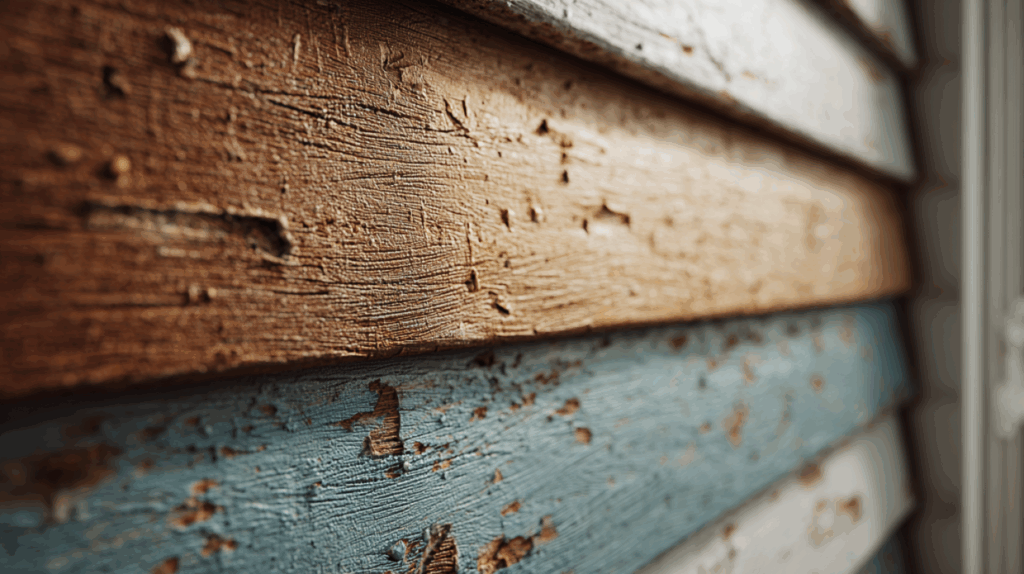
Michigan’s freeze-thaw cycles and summer sun are tough on siding. If your siding is faded beyond recognition or paint is peeling away, it could be a sign that the protective coating has broken down. While a little fading over time is normal, extreme discoloration often points to aging materials losing their structural integrity.
Faded siding doesn’t just hurt curb appeal. It’s usually no longer sealing properly and can become brittle—especially in cold weather.
3. Cracks, Holes, or Gaps
Damage caused by storms, pests, or age often shows up as visible cracks or punctures. Even small openings can allow water and cold air to seep in, leading to costly interior damage and reduced energy efficiency.
During your siding inspection, check for:
- Cracks along seams or edges
- Gaps where siding meets windows or corners
- Nail heads popping out of panels
If you see any of these, you’re likely past the point of spot-repair. A full replacement will better protect your home heading into winter.
4. High Energy Bills in Cold Months
If your heating costs have steadily climbed and your insulation hasn’t changed, your siding may be to blame. Damaged or outdated siding lets cold air in and warm air escape—forcing your HVAC system to work overtime.
You may also feel drafts around electrical outlets, windows, or baseboards, which often stem from failing exterior cladding.
A siding upgrade can restore your home’s thermal envelope, lower monthly bills, and improve indoor comfort throughout Michigan’s harsh winters.
5. Mold, Mildew, or Dry Rot
Siding should protect your home from moisture—not trap it. If you see black, green, or gray patches on your siding, or notice a musty smell near exterior walls, it could indicate mold or mildew between the siding and the home’s structure.
In wood siding, dry rot is another sign of serious moisture problems. Tap the area with a screwdriver or similar tool—if it crumbles or sounds hollow, it’s likely compromised.
Early intervention is key here. Left unchecked, this kind of damage spreads behind the surface and becomes a much more expensive issue.
Common Siding Questions: What Michigan Homeowners Want to Know
How often should siding be replaced?
That depends on the material:
- Vinyl siding: 20–30 years, depending on exposure and quality
- Fiber cement siding: 30–50 years with proper maintenance
- Wood siding: 15–40 years, though it requires more frequent upkeep
If your siding is approaching the 20-year mark and showing signs of wear, it’s smart to plan a Michigan home siding inspection before winter.
Is it better to replace siding in fall or wait until spring?
Fall is often the ideal time to replace siding in Michigan. Temperatures are mild, materials settle properly, and you’ll be prepared for freezing temps. Waiting until spring could mean dealing with leaks, drafts, or damage all winter long.
Fiber Cement vs Vinyl Siding: Which Should I Choose?
Both are popular siding options in Michigan, but they have distinct differences.
Vinyl Siding
- Pros: Cost-effective, low maintenance, good insulation options
- Cons: Can crack in extreme cold or warp under intense sun
- Best for: Budget-conscious homeowners or quick replacements
Fiber Cement Siding (like James Hardie®)
- Pros: Long-lasting, fire-resistant, holds color better, withstands Michigan weather extremes
- Cons: Higher upfront cost, heavier to install
- Best for: Homeowners who want long-term performance and curb appeal
We offer and install both—and can help you determine which one suits your home, neighborhood, and budget.
Not Sure If It’s Time? Schedule a Michigan Siding Inspection
At Big Rapids Roofing, we don’t just handle roofs—we’re your exterior experts, including siding inspections and full siding replacements. If you’re seeing any of the signs listed above—or just want peace of mind before winter—we’ll come out, take a close look, and offer honest recommendations.
Whether you’re comparing fiber cement vs vinyl siding, weighing repair vs replacement, or trying to identify early damage, we’ve got you covered with clear answers and expert installation.
Prepare Your Home for Winter—Request Your Free Siding Estimate
Your siding protects your home through Michigan’s toughest months—don’t leave it to chance. If you suspect damage or aging materials, now’s the time to act.
Schedule your inspection and get a free estimate now from the team trusted across Central Michigan for roofing and siding done right.